
Two Notebooks, Two Emotions
Moments when writing feels easier than talking

We probably all agree that journaling is pure emotion. The range I move through on a single page would probably give anyone else whiplash. By the time I finish writing, I’m usually in a better place mentally. There’s more breathing room in my mind, maybe even a bit of clarity. The goals of journaling are individual, but the hope is we understand ourselves better when we finish writing.
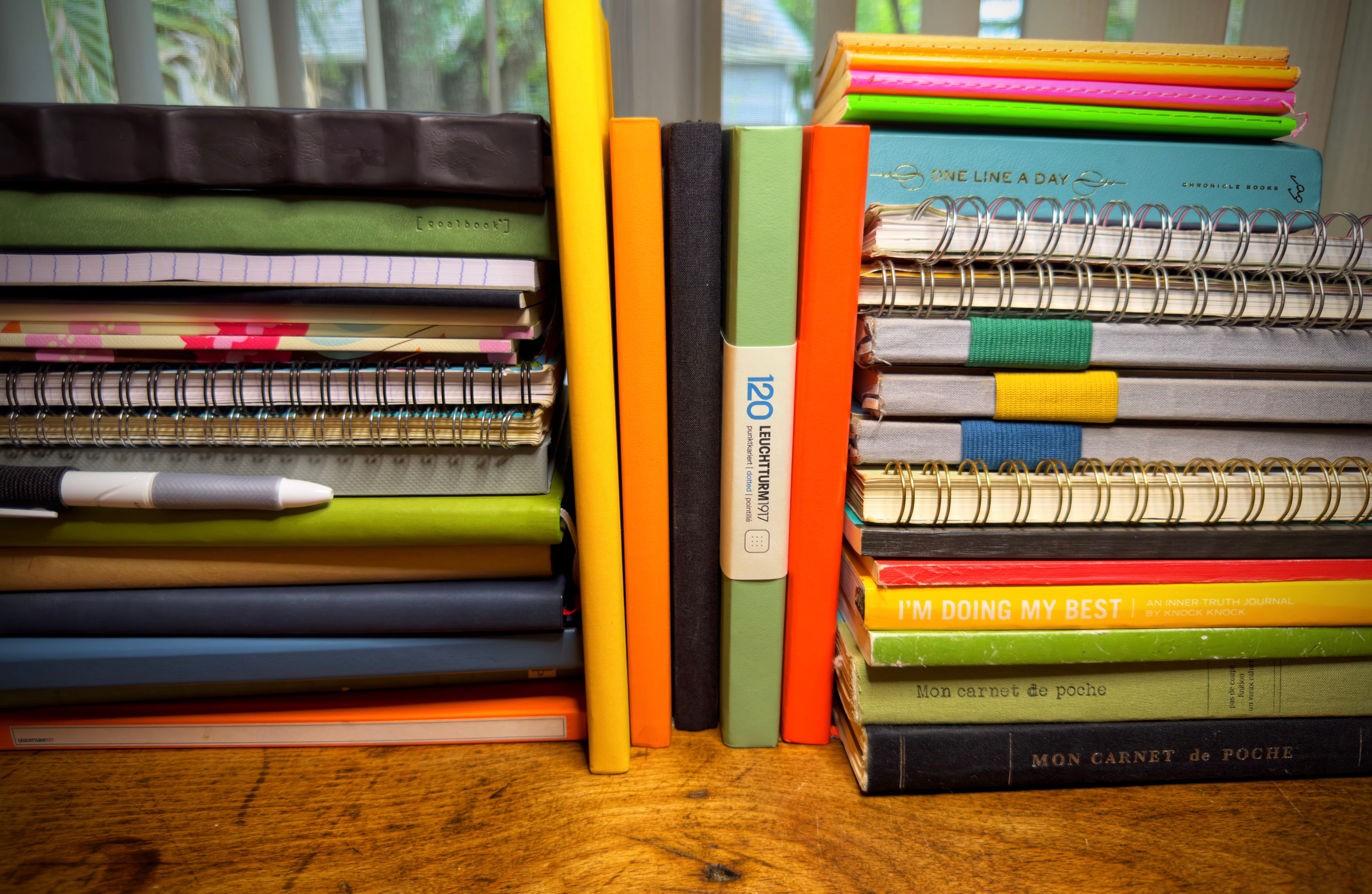
People journal for a variety of reasons, and everyone approaches it differently. I have several journals that I use on a daily basis. I start the day with a morning journal, despite the fact that nothing has really happened yet. However, once I start, I find there are a lot of residual thoughts from the day before. I also keep one for article ideas, another for fictional stories, and one more for random thoughts. There are also three pocket notebooks housed in a Lochby mini field journal that go everywhere with me. You never know when a clever thought might strike, so I’m prepared.
I love journaling, so naturally I have a collection of notebooks. Two in particular I keep separate from the others. They aren’t used regularly, but they’re absolutely necessary to balance two specific emotions: grief and anger.
For me, grief journaling was a search for meaning after the sudden death of my youngest sister left me with nowhere to go emotionally. I couldn’t ask her what happened, and without that, I couldn’t find understanding. The entries became a series of letters written directly to her, helping me work through what I was feeling. Over time, my questions, memories, and acceptance began taking shape in small pieces.
On the surface, it sounds like depressing read, but in my family we’re snarky. Our love language is relentless teasing. What I wrote in the journal was no different than if she had been right in front of me. There may have been some name-calling, but it wasn’t all older-sister energy. There were also serious questions I wanted answers to, and I wasn’t shy about sharing my disappointment.
Naturally there was some anger, but mostly with myself. The journaling helped me understand that the regret I felt served no real purpose. In the end, I was better able to come to terms with her passing, even though my questions will remain unanswered. That was almost seven years ago, and I haven’t read through it since. I don’t really feel the need to, but I like seeing the cover. I used her favorite shade of purple to color the front image. Knowing she’d like it is enough.
Grief doesn’t always mean the loss of a loved one. It might be the end of a relationship, losing a job, or going through a major life change. Whatever the reason, it’s extremely personal and a natural emotional response. Journaling, when done with intention, can help us move through grief instead of carrying it.
Anger is also a basic human emotion, and journaling has helped with that as well. It’s usually the buildup of a situation that feels out of control. I need it to be released or resolved. My experience with this type of journaling is vastly different because it’s fast, unfiltered, and very raw.
There’s only one notebook I reach for when my emotions go into overdrive: the rage journal. It’s spiral-bound, roughly A5-sized, and pastel pink with a large white flower on the cover. It feels appropriate in the most sarcastic way possible. I bought two of them about twenty years ago. I’m on the second one, and only a quarter of the way through. Not because I rarely get angry, but because this notebook is reserved for when I feel intensely irrational. I don’t unburden this type of emotion to friends, family, or even my husband. I’m not in a headspace where I want to be told I’m wrong or that I’m justified. I want to work through what’s making me upset without interference.
Many times, our anger isn’t directed at someone, but at a situation. The behaviors that come with anger rarely solve the problem in any productive way if we lash out. Psychologists note that writing helps clarify reasoning and regulate emotion. Our handwritten words require coordination between mind and body. The physical act of writing slows your mind enough to allow you to reflect, revise, and better understand what you’re feeling.
So, my rage journal just takes it all in. I can press unnecessarily hard and scribble illegibly. The notebook doesn’t care. When I’m done, I don’t read what I wrote—not that I probably could. I tear out the page, fold it as small as possible, place it into a ceramic bowl, and light it up. This is my therapy and it works for me.
Afterward, my anger has lessened, or many times dissolved completely. Only then am I able to reach a place where I can communicate what I’m feeling, even if it’s just to myself. Writing it all out doesn’t always fix everything, but it helps me understand my emotions better. That’s all I really want.
The overall goal with rage or grief journaling is to help your mind process emotions when you’re holding in more than you can process. A journal is the perfect place to let those feelings exist. My experience with journaling for these two specific emotions has truly helped me through some difficult moments. Sometimes, all we need is a place to work through what we’re feeling.
Thank you for reading. If you use journaling to work through your thoughts or emotions, I’d love to hear what that looks like for you.
Feel free to share in the comments.